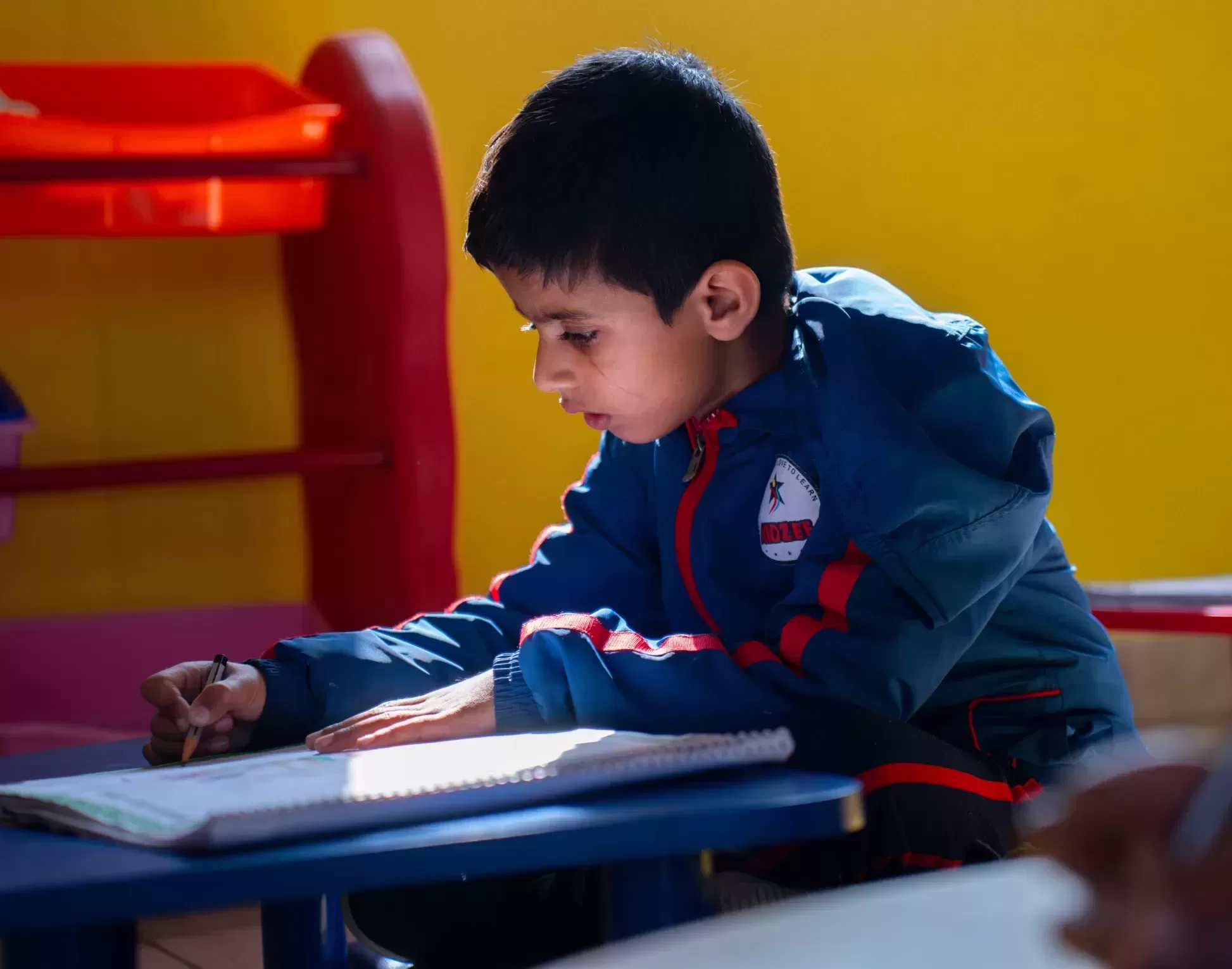
In a rapidly changing world, education can no longer be limited to the transmission of information. Today’s learners need creativity, critical thinking, communication skills, adaptability, and the confidence to solve real-world problems. While academic excellence remains essential, true education must nurture the whole child—mind, heart, and imagination.
Many of the world’s greatest educational thinkers have emphasized the importance of creative and experiential learning. Their ideas continue to inspire schools that seek to prepare children not only for examinations but also for life.
Learning Beyond Memorization
Mahatma Gandhi believed that education should engage the “head, heart, and hand.” In his vision of education, learning was not merely about acquiring knowledge from books but about developing character, practical skills, and social responsibility. He advocated learning through meaningful activity and real-life experiences.
Similarly, Rabindranath Tagore viewed education as a process of discovering oneself and one’s relationship with nature, society, and culture. He believed that children learn best in environments that encourage curiosity, freedom of expression, creativity, and joyful exploration. For Tagore, education was not confined to classroom walls; it was a living experience connected to the world around us.
The Importance of Experience
The American philosopher and educator John Dewey argued that education is not preparation for life; education is life itself. According to Dewey, children learn most effectively when they actively participate in meaningful experiences. Learning becomes deeper when students investigate, question, create, collaborate, and reflect rather than passively receive information.
Modern educational research strongly supports Dewey’s vision. Project-based learning, experiential learning, collaborative activities, theatre, arts, scientific inquiry, and hands-on exploration all contribute to deeper understanding and stronger engagement.
Creativity and Academic Excellence
There is often a misconception that creative learning and academic excellence are separate goals. In reality, they complement each other.
Creative learning helps students:
- Develop critical thinking skills
- Improve problem-solving abilities
- Strengthen communication and collaboration
- Build confidence and self-expression
- Increase curiosity and motivation to learn
- Connect classroom knowledge with real-life situations
When students are engaged, curious, and confident, academic performance naturally improves. Creativity is not an alternative to academic excellence—it is one of its strongest foundations.
Insights from Contemporary Education
Educationist Krishna Kumar has repeatedly highlighted the need to move beyond rote learning and create classrooms that encourage questioning, understanding, and meaningful engagement. He reminds us that education should help children think independently and make sense of their world rather than merely reproduce information.
His ideas resonate strongly with the needs of twenty-first-century education, where creativity, inquiry, and understanding are increasingly valued alongside academic achievement.
The Shining Star School Approach
At Shining Star School, we believe that academic excellence and creative learning go hand in hand. While maintaining high academic standards, we continuously strive to create opportunities that help children discover their talents, develop confidence, and cultivate a lifelong love of learning.
Our educational approach includes:
- Experiential learning and activity-based teaching
- Science workshops and hands-on exploration
- Theatre and dramatic arts programmes
- Storytelling, debates, and public speaking activities
- Robotics, coding, and emerging technology exposure
- Art, music, dance, and creative expression
- Environmental awareness and sustainability initiatives
- Sports and physical development programmes
Through initiatives such as theatre productions, practical science workshops, reading festivals, creative arts programmes, and co-scholastic activities, we seek to create learning experiences that are engaging, meaningful, and memorable.
At the same time, we remain committed to academic rigour, conceptual understanding, and strong scholastic achievement. Our aim is to nurture students who are not only successful in examinations but also thoughtful, responsible, creative, and compassionate individuals.
Looking Ahead
The future belongs to those who can think creatively, learn continuously, and adapt confidently to change. Schools therefore have a responsibility to create environments where children can explore ideas, ask questions, take initiative, and discover their unique strengths.
Creative learning is not an educational luxury; it is an educational necessity. By combining academic excellence with creativity, schools can prepare students not only for successful careers but also for meaningful and fulfilling lives.
At Shining Star School, we remain committed to this vision—helping every child learn with curiosity, grow with confidence, and shine with purpose.